Is the Economy o-K? Understanding the K-Shaped Split
If you have engaged in the extreme sport of grocery shopping lately, or perhaps dared to look at the housing market, you might be suffering from a distinct form of financial whiplash. On one screen, the news anchors are cheering because the stock market is hitting record highs and unemployment numbers look decent. On the other screen, or rather in your own checking account, the price of eggs and rent feels like a personal attack.
It is enough to make anyone wonder if they are simply bad at adulting, or if the world has gone slightly mad. The good news is that you are not imagining things. The bad news is that the economy is currently behaving in a way that economists call a K-shaped recovery. While that sounds like just another piece of academic jargon, understanding it is actually the key to lowering your blood pressure regarding your finances.
Breaking Down the Alphabet Soup
When financial experts talk about the economy, they often use letters to describe the shape of a graph. A V-shaped recovery is what we all hope for, where things crash but then bounce back up just as quickly for everyone. It is a rising tide that lifts all boats. A U-shape is similar, just a bit slower and more painful.
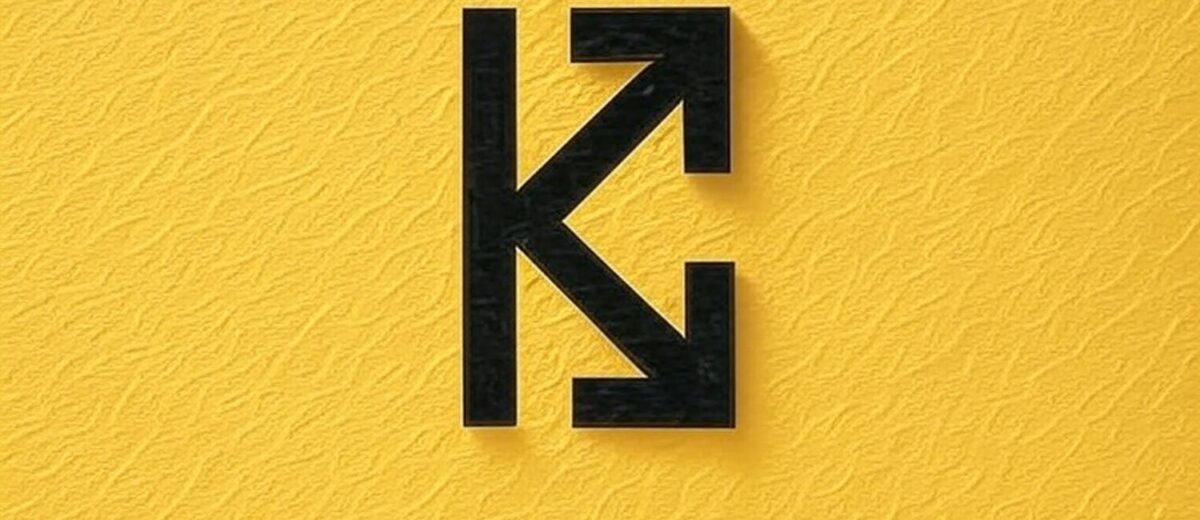
However, a K-shaped economy is an entirely different beast, and frankly, flat stinks for fairness. Imagine the letter K. You have a vertical line, and then two arms poking out to the right. One arm shoots upward, and the other points downward. This perfectly illustrates what is happening right now. Different parts of the economy, and the people within them, are experiencing two completely different realities.
The upper arm of the K represents industries like technology, software, and large corporations that have pivoted easily to the digital world. If you work in these sectors, or if you own assets like stocks and real estate, your net worth has likely gone up. You are riding the escalator to the top. Conversely, the lower arm represents industries that rely on face-to-face interaction, such as travel, hospitality, and small businesses. If you earn a wage in these sectors without owning assets, you are likely seeing your buying power erode while your costs skyrocket.
Why It Feels Personal
This divergence explains why the headlines often feel like they are gaslighting you. The stock market is not the economy; it is a measure of how investors feel about the future profitability of large companies. The economy, on the other hand, is your job, your local gas station, and the cost of your kid’s braces.
In a K-shaped environment, the disconnect between the markets and Main Street widens. This is why you can see the S&P 500 rallying while your neighbor is struggling to find a job that pays a living wage. It creates a confusing emotional landscape where you might feel guilty for doing well or ashamed for struggling, even though these outcomes are largely driven by macroeconomic currents much bigger than your personal budget.
Recognizing this split is the first step in emotional risk management. It validates that your anxiety is rational. You are trying to navigate a map where the roads are changing depending on what vehicle you are driving.
Navigating the Split Without Losing Your Cool
Regardless of which branch of the K you currently find yourself on, the principles of sound financial management remain your best safety net. If you are fortunate enough to be on the upper slope, beware of lifestyle creep. It is tempting to upgrade your car or house when your portfolio looks robust, but a K-shaped economy is volatile by nature. Now is the time to aggressively pad your emergency fund. Think of it less as hoarding and more as building a fortress around your peace of mind.
If you find yourself on the lower slope, the focus shifts to preservation and defense. This is not the time for high-risk speculative investments hoping for a lottery-ticket win. Instead, focus on the controllables. Look at your skill set and ask if there are ways to pivot toward those industries on the upper arm of the K. It might mean taking a certification course or leveraging free online resources to modernize your resume.
Most importantly, avoid the trap of emotional investing. When the world feels unfair, it is easy to make decisions out of fear or envy. You might feel the urge to pull all your money out of the market because it seems detached from reality or jump into a risky trend because you feel like you are falling behind. Both are dangerous moves. Stick to a boring, diversified plan. History shows us that economies eventually shift shape again. The goal is not to predict the future, but to build a financial boat sturdy enough to handle whatever letter the alphabet soup throws at us next.
Remember, money is just a tool to help you live your life. By understanding the K-shape, you can stop blaming yourself for the turbulence and start adjusting your strategy!